
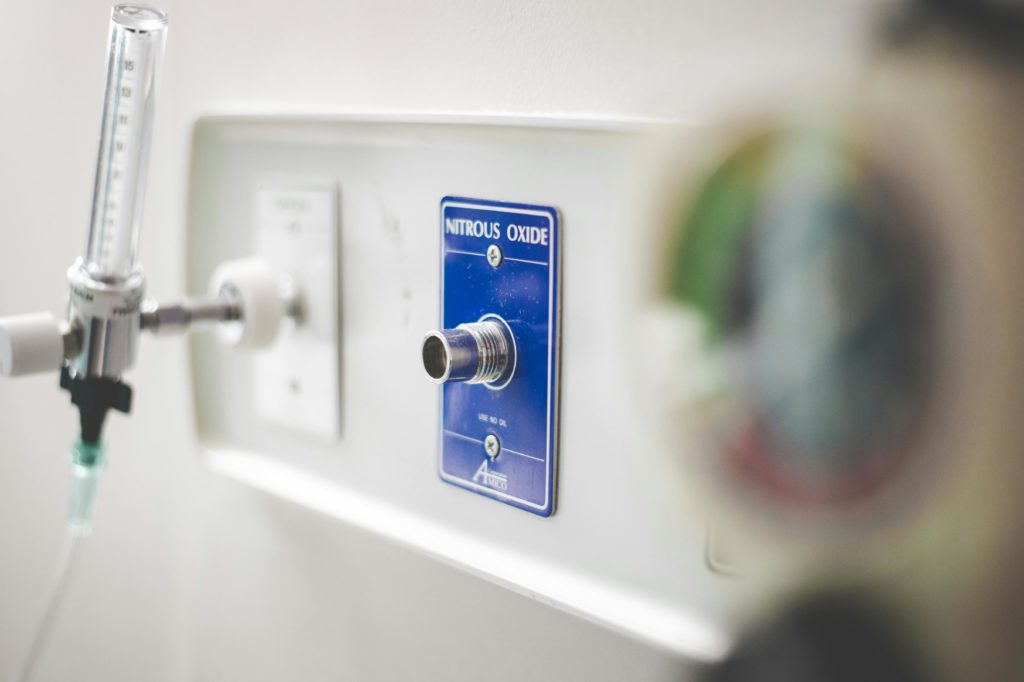
Is Nitrous Oxide for Labor the Right Choice for You?
As a doula, we help expecting parents navigate the plethora of options available for pain relief during labor. One such option that has gained popularity in recent years is nitrous oxide, often referred to as “laughing gas.” While it’s essential to understand both the benefits and drawbacks of using nitrous oxide during labor, it’s equally important to determine whether it’s a suitable choice for each individual.
Who Might Consider Nitrous Oxide?
Nitrous oxide for labor can be a viable option for individuals looking for a mild form of pain relief. It is especially appealing to those who want to avoid more potent medications or invasive procedures like epidurals. Women who prefer to remain mobile and actively participate in their labor process may find nitrous oxide particularly attractive since it allows for continuous movement and control.
Additionally, nitrous oxide for labor is generally considered safe for both the birthing parent and the baby, as it doesn’t affect the progress of labor or the baby’s alertness after birth. However, it’s essential to consult with your healthcare provider to determine if nitrous oxide aligns with your birth plan and medical history.
Benefits of Nitrous Oxide for Labor
- Quick Onset and Control: Nitrous oxide offers rapid pain relief within a few breaths of inhalation, making it an attractive option during active labor. Unlike some other pain relief methods that may require time for administration or adjustments, nitrous oxide allows the laboring person to have immediate control over their comfort level.
- Flexible and Self-Administered: One of the key advantages of nitrous oxide is that it is self-administered, giving individuals a sense of autonomy and agency during labor. This self-administration aspect is especially beneficial for those who want to actively participate in managing their pain without relying solely on medical interventions.
- Reduces Anxiety and Tension: Nitrous oxide has an anxiolytic effect, meaning it helps reduce anxiety and tension. This can be particularly helpful for individuals experiencing fear or anxiety related to childbirth, allowing them to feel more relaxed and focused during labor.
- Does Not Interfere With Labor Progress: Unlike some stronger pain medications or epidurals, nitrous oxide does not interfere with the progress of labor or the natural hormonal processes involved. This means that contractions remain effective, and the birthing person can continue to work with their body to birth their baby.
- Minimal Impact on Baby: Nitrous oxide for labor use has a short duration of action and is rapidly eliminated from the body, resulting in minimal effects on the baby. This makes it a safer option compared to certain medications that may have longer-lasting effects or require close monitoring of the baby’s well-being. It also does not interfere with a mother’s ability to breastfeed after delivert.
- Maintains Mobility and Positioning: Another significant benefit of nitrous oxide for labor is that it allows for freedom of movement and positioning during delivery. This mobility can help optimize the progress of labor, reduce the risk of interventions, and promote comfort for the birthing person.
- No Need for Continuous Monitoring: Since nitrous oxide is self-administered and does not require continuous monitoring like epidurals or IV medications, it allows for a more relaxed and less medicalized birth environment. This can contribute to a positive birth experience for many individuals.
- Can Be Used in Combination With Other Methods: Nitrous oxide for labor is versatile and can be used alongside other pain relief techniques such as massage, hydrotherapy, breathing exercises, and relaxation techniques. This holistic approach allows for a customized pain management strategy tailored to the individual’s needs and preferences.
- Suitable for Various Birth Settings: Nitrous oxide is increasingly available in various birth settings, including hospitals, birth centers, and some home birth settings. Its widespread availability makes it accessible to a broader range of individuals seeking pain relief during labor.
- Faster Recovery Post-Birth: Because nitrous oxide has a short duration of action and minimal residual effects, individuals often experience a faster recovery and are more alert and responsive after giving birth. This can enhance bonding with the newborn and promote a smoother transition into the postpartum period.
Drawbacks and Considerations
- Limited Pain Relief: While effective for mild to moderate pain, nitrous oxide may not provide sufficient relief for intense or prolonged labor pain.
- Possible Side Effects: Some individuals may experience side effects such as dizziness, nausea, or drowsiness when using nitrous oxide for labor. You can read more about guidance for nitrous oxide use from ACOG here.
- Not for Everyone: Certain medical conditions or allergies may contraindicate the use of nitrous oxide for labor, so it’s crucial to discuss your medical history with your healthcare provider. Some contraindications could include physical inability to hold own face mask in place, pernicious anemia or B12 deficiency, regular methadone or suboxone use, any concern for fetal status, diagnosis of sleep apnea, recent intraocular surgery, increased intraocular pressure, increased intracranial pressure, pulmonary hypertension, recent bowel obstruction, or recent middle ear surgery. Check with your provider to determine if you are a good candidate.
- Availability and Cost: Nitrous oxide may not be available in all birth settings, and there could be associated costs depending on your healthcare coverage.
Final Thoughts
Ultimately, the decision to use nitrous oxide for labor should be based on individual preferences, medical considerations, and guidance from your healthcare team. As a doula, I’m here to support you in exploring all your options, understanding the pros and cons, and creating a birth experience that aligns with your values and goals.
If you’re interested in learning more about nitrous oxide or other pain relief techniques, don’t hesitate to reach out. Together, we can empower you to make informed decisions for a positive birth experience.