

Introduction
Having husband support during labor can make all the difference for positive birth support. Welcoming a new life into the world is a profound journey, and having a supportive partner can make all the difference. In this blog post, we’ll explore the invaluable role of husbands in providing support during labor, recognizing their positive impact on the birthing experience.

The Crucial Role of Husband Support During Labor
During labor, emotional and physical support is crucial for the birthing person. Husbands play a unique and essential role in providing comfort, encouragement, and strength. This supportive presence not only contributes to the overall well-being of the birthing person but also fosters a deeper connection between partners.
As labor begins, husbands can offer reassurance and a calming presence. The positive energy they bring can significantly influence the atmosphere in the birthing room, creating a sense of security and comfort.
1. Emotional Support
Birthing is a deeply emotional experience, and husband support during labor can provide a steadfast source of emotional support. Simple gestures like holding hands, offering words of affirmation, and maintaining a positive attitude can make a world of difference. Expressing love, reassurance, and encouragement helps create a positive birthing environment.
2. Physical Support
Physically, husband support during labor can take various forms, such as massage, counter-pressure, and assistance with position changes. These actions not only alleviate discomfort but also contribute to a smoother labor process. Understanding comfort measures and practicing them during prenatal classes can empower husbands to be hands-on birthing partners.
3. Advocacy and Communication
Clear communication is key during labor, and husbands can serve as advocates for the birthing person’s preferences and needs. Being familiar with the birth plan and effectively communicating with healthcare providers ensures that the birthing experience aligns with the couple’s wishes. This advocacy role is an empowering aspect of husband support during labor.

4. The Positive Impact of Husband Support During Labor
Husband support during labor brings a positive energy that transcends the physical realm. Their unwavering support, both emotionally and physically, contributes to an environment conducive to a positive birthing experience.
5. Navigating Emotional Terrain
Understanding the emotional landscape of labor allows husbands to respond appropriately, providing comfort and reassurance. This emotional attunement contributes significantly to the positive atmosphere in the birthing room.
6. Building a Strong Foundation
As birthing partners, husbands play a pivotal role in building a strong foundation for the growing family. The positive impact of husbadn support during labor extends beyond the birthing room, fostering a sense of unity and shared accomplishment.
For Husbands: How You Can Help
The arrival of labor marks a pivotal moment for both expectant parents, and as a partner, your role becomes crucial in offering support and encouragement during this transformative journey.
7. Understanding the Importance of Husband Support During Labor
Husband support during labor is more than just a role; it’s a powerful and essential contribution to a positive birthing experience. Research indicates that women who receive continuous support during childbirth are likely to encounter better outcomes, including shorter labor times and reduced medical interventions. Whether or not you’ve chosen to hire a doula, being well-prepared for the journey ahead is key to providing the comfort, strength, and encouragement your partner needs.
Navigating the intricacies of labor requires partners to be informed and ready. Let’s explore what to expect during childbirth and how to offer unwavering support.
8. Recognizing Signs of Labor
Late in pregnancy, false contractions may occur, resembling labor but lacking the intensity. Distinguishing between Braxton Hicks contractions and true labor is vital. Look for signs such as the water breaking, persistent lower back pain, regular contractions, and the passing of the mucus plug. Being attentive to these cues prepares you for the journey ahead.
9. Timing Contractions and Patience
Contrary to movie depictions, most women labor for hours before reaching the hospital. Timing contractions periodically provides insights into progress without continuous monitoring. A contraction-timer app proves handy for this purpose. As contractions intensify, be available to help your partner stay relaxed, whether through watching TV, going for a walk, or taking a nap.
10. Knowing What to Expect During Labor
Understanding the three stages of labor – early, active, and transition – is crucial. The second stage involves pushing and birth, followed by the delivery of the placenta in the third stage. Familiarize yourself with the duration and characteristics of each stage, ensuring you’re prepared for the journey’s varying demands.
11. Being Flexible with the Birth Plan
Childbirth experiences differ, and flexibility is key. Discuss expectations and options with your partner well in advance, creating a birth plan that aligns with her wishes. While initiatives are valuable, be ready to adapt, recognizing that plans may change. Your role involves discerning what works best for the woman in labor.
12. Advocacy and Decision-Making
As the partner, you play a crucial advocacy role. A woman in labor may not always be in the best position to make decisions, and your readiness to step in becomes paramount. From assisting with medical decisions to ensuring breastfeeding opportunities, your advocacy ensures her needs are met.
13. Packing Your Hospital Bag
Don’t forget to prepare your own hospital bag, including essentials like a change of clothes, comfortable shoes, toiletries, any needed medications, and sustaining snacks. Being well-equipped allows you to focus on providing support without distractions.
14. Offering Encouragement and Emotional Support
Husband support during labor through your presence is a cornerstone of support during the birthing process. While the woman in labor may enter her own world, your role is to offer encouragement and maintain a calming presence. Suggest coping techniques, such as breathing patterns or position changes, and stay attuned to her needs.
15. Physical Techniques for Husband Support During Labor
Husband support during labor involves physical touch. Practical support plays an integral roles in helping husbands provide comfort to their partners during the birth process.
One effective technique is counterpressure, where gentle pressure on the lower back or shoulders can alleviate discomfort during contractions.
A soothing touch on the forehead, hands, or back communicates reassurance and connection.
Ice chips or a damp cloth can offer relief, combating the heat associated with labor.
Encouraging movement, such as swaying or slow dancing, may provide comfort, and assisting with position changes aligns with the woman’s preferences.
Additionally, engaging in breathing exercises together fosters a shared rhythm, enhancing a sense of partnership.
The key lies in adapting these techniques based on your partner’s cues, creating a personalized support approach that complements her unique needs during this transformative experience.
16. Managing Personal Limitations
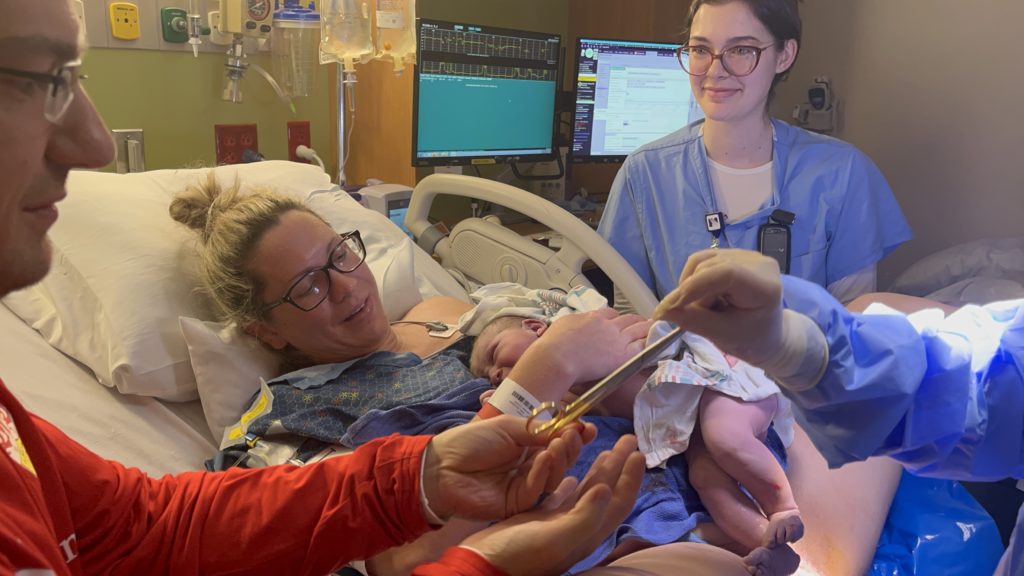
Awareness of your own limitations is crucial. Communicate openly about your comfort level with certain tasks, like cutting the umbilical cord, and be prepared to redirect your focus if needed. Prioritize the well-being of the woman in labor, ensuring your actions align with her comfort and preferences.
17. The Power of Simply Being There
In the midst of the birthing process, your supportive presence holds immense significance. Even if hands-on tasks are delegated to professionals, your unwavering support matters. Your partner looks to you for encouragement, and your role as the supportive partner becomes a beacon of strength during this profound life event.
As a partner, the journey through labor presents an opportunity to be a guiding light for the woman you care about. By understanding what to expect, being flexible, advocating for her needs, and offering unwavering encouragement, you contribute significantly to creating a positive and empowering birthing experience. Your presence, coupled with informed support, ensures that both you and your partner navigate this transformative journey with confidence and grace.

Conclusion
In the beautiful tapestry of childbirth, husband support during labor weaves an essential thread of support. Their positive presence, emotional attunement, and advocacy create a birthing experience that is not only memorable but deeply empowering. Recognizing and appreciating the positive role of husbands during labor enriches the journey of bringing new life into the world.