
Rating: ★★★★★
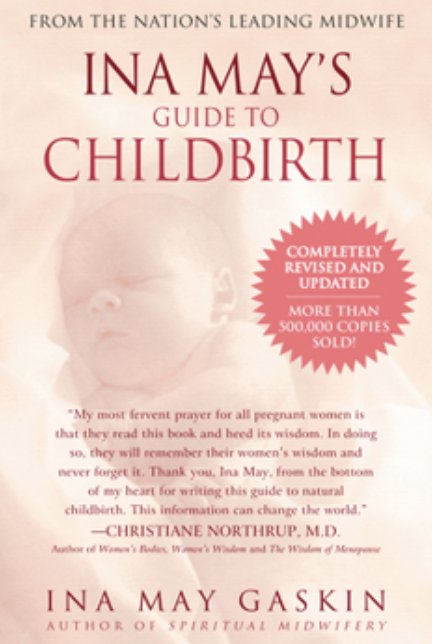
Ina May Gaskin, a luminary in the world of midwifery, presents a timeless masterpiece in ‘Ina May’s Guide to Childbirth.’ This book transcends the conventional boundaries of childbirth literature, seamlessly weaving birth stories, practical advice, and a positive philosophy on childbirth. Gaskin’s celebration of the strength and resilience of women during labor creates a holistic guide for expectant parents.
The book’s charm lies in its ability to instill confidence and dismantle fears surrounding childbirth. Gaskin uses the powerful tool of storytelling to demystify the birthing process. The inclusion of diverse birth stories, ranging from home births to hospital experiences, provides readers with a rich tapestry of possibilities. Each narrative reinforces the idea that childbirth is a natural and empowering event.
Gaskin’s positive philosophy on childbirth is a breath of fresh air. She challenges the prevailing notion that childbirth is inherently painful and fraught with complications. Instead, she invites readers to embrace the beauty and transformative power of the birthing process. This shift in perspective is not only reassuring but also instrumental in shaping a positive mindset for expectant parents.
The book’s practical advice is equally illuminating. Gaskin covers a spectrum of topics, including labor positions, coping strategies, and the role of the birthing environment. The emphasis on the mind-body connection and the impact of emotional well-being on the birthing process adds a holistic dimension to the book. It transcends the purely physical aspects of childbirth, acknowledging the emotional and spiritual components.
Another standout feature is Gaskin’s advocacy for the midwifery model of care. Her insights into the midwifery approach, characterized by personalized and woman-centered care, contribute to the ongoing dialogue about maternity care options. ‘Ina May’s Guide to Childbirth’ serves as a powerful advocate for empowering women to make informed choices about their birthing experiences.
Gaskin’s writing style is both eloquent and accessible. Whether she’s discussing the intricacies of physiological birth or sharing anecdotes from her own experiences, her narrative is engaging and relatable. The book reads like a conversation with a wise and experienced friend, creating a sense of camaraderie between the author and the reader.
In conclusion, ‘Ina May’s Guide to Childbirth’ is a masterpiece that transcends its genre. It is not just a guide; it is a testament to the transformative and empowering nature of childbirth. With a perfect five-star rating, this book is a must-read for anyone seeking a positive, informed, and holistic approach to the birthing journey.