
Embracing Tradition: The Lying-In Period Across Cultures and Modern Practices
The journey into parenthood is a transformative experience, marked not only by the birth of a child but also by the intricate web of traditions that surround the postpartum period. One such tradition that spans across cultures is the lying-in period, a sacred time typically lasting around 40 days after childbirth. In this exploration, we delve into the historical roots of the lying-in period, its traditional practices, and how modern parents can adapt and implement this age-old wisdom with the virtual postpartum support and online doula services.
Historical Perspectives: The Lying-In Period Across Cultures
Ancient Practices in the East
The concept of a designated postpartum recovery period is deeply ingrained in Eastern cultures. In China, for instance, the “sitting month” or “zuo yuezi” is a revered tradition that extends for 30 days. During this time, new mothers adhere to a strict regimen of rest, nourishing foods, and avoidance of cold and wind. Similar practices can be found in other East Asian cultures, such as Korea and Vietnam, where the lying-in period is seen as a crucial time for the mother’s physical and emotional recovery.
In India, the lying-in period is known as “sutika avadana” or “sutika period.” It involves a range of rituals and dietary restrictions aimed at promoting the well-being of the mother and fostering a strong bond between mother and child. The emphasis is on rest, warm nourishing foods, and rituals that symbolize purification and protection.
European Traditions
The Western world also has a history of recognizing the importance of a postpartum recovery period. In medieval Europe, the lying-in period was an essential aspect of a woman’s life after giving birth. Women would traditionally stay in their homes, attended to by midwives, family members, and friends.
In Victorian England, the lying-in period was a time of seclusion, with new mothers expected to rest and recover in the comfort of their homes. This period was characterized by social rituals, etiquette, and the assistance of midwives or female family members.
Indigenous Traditions: Native and Aboriginal Cultures
Indigenous communities around the world, including Native American and Aboriginal cultures, have unique traditions surrounding childbirth and the postpartum period. These traditions often reflect a deep connection to nature, community, and spirituality.
For many Native American tribes, the postpartum period involves a combination of traditional healing practices, storytelling, and the passing down of cultural knowledge. The extended family and community play integral roles in providing support to the new mother, contributing to the physical and emotional well-being of both the mother and the child.
Similarly, among Aboriginal communities in Australia, the postpartum period is marked by rituals that connect the new mother and child to the land and ancestral spirits. Elders and community members offer guidance and support, emphasizing the importance of harmony and balance in the transition to parenthood.
Diverse Traditions in Africa
Across the vast and diverse continent of Africa, traditional lying-in practices vary widely among different ethnic groups and regions. In many African cultures, the postpartum period is viewed as a sacred time that involves specific rituals and customs.
For example, in some West African communities, there are ceremonies celebrating childbirth, often involving dance, music, and communal gatherings. Elders and experienced women in the community play a vital role in supporting the new mother, offering wisdom and assistance during the lying-in period.
In East Africa, some societies observe specific rituals and ceremonies during the postpartum period, emphasizing the importance of community support. The extended family and community members may contribute to the care of the new mother and the newborn, recognizing the interconnectedness of the community in the well-being of the family.
Traditional Practices During the Lying-In Period
Rest and Recovery
Across cultures, the lying-in period places a strong emphasis on rest and recovery for the new mother. This essential phase acknowledges the physical and emotional challenges of childbirth, recognizing the need for a gradual return to normal activities. Specific practices include:
- Seclusion: Many traditional lying-in practices involve secluding the new mother from the outside world. This seclusion provides a calm and quiet environment, minimizing stressors and allowing the mother to focus on bonding with the newborn.
- Assistance from Family and Community: Extended family and community members often play a crucial role in supporting the new mother during the lying-in period. This assistance can include household chores, caring for older children, and providing emotional support.
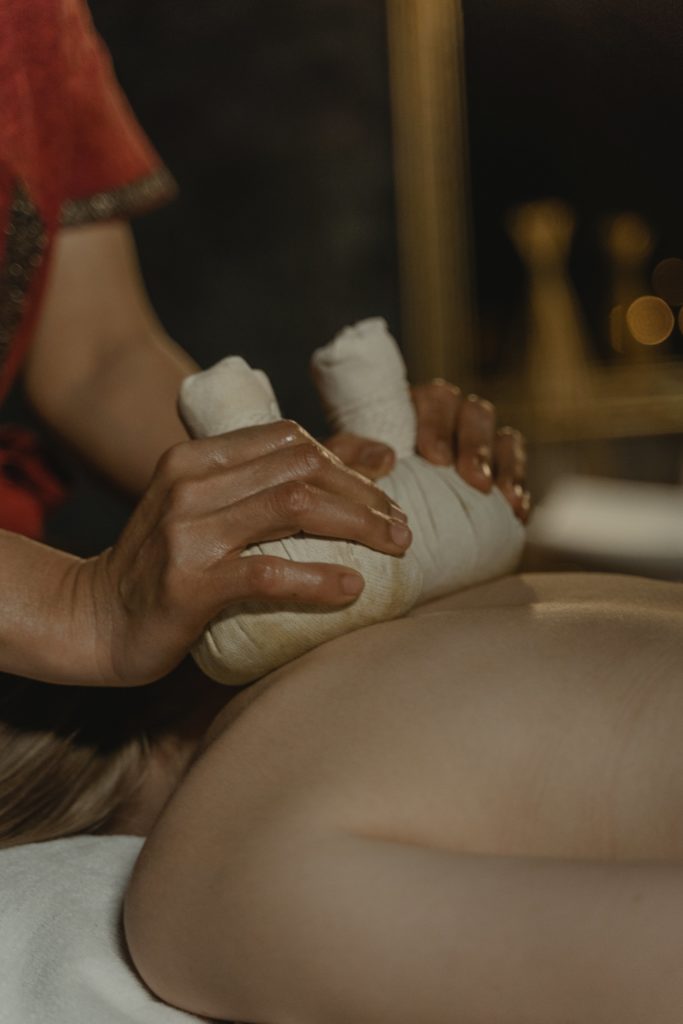
- Massage and Body Treatments: Various cultures incorporate therapeutic massages and body treatments into the lying-in period. These practices are believed to promote physical healing, improve blood circulation, and alleviate muscle tension. In some traditions, special oils or herbal preparations are used during these massages.
- Symbolic Rituals: Some cultures incorporate symbolic rituals into the lying-in period, signifying the mother’s transition into parenthood. These rituals may involve blessings, ceremonies, or the passing down of family heirlooms to the newborn.
Dietary Customs

Nutrition is a cornerstone of the lying-in period, with specific dietary customs designed to replenish the mother’s strength, support lactation, and promote overall well-being. Here are examples of dietary customs from different cultural traditions:
- Chinese Tradition: In Chinese lying-in practices, certain foods are believed to have healing properties. Ginger, for example, is commonly included in postpartum meals for its perceived ability to expel “wind” from the body. Soups, particularly those made with nourishing ingredients like chicken, Chinese dates, and goji berries, are also popular.
- Indian Tradition: Indian postpartum dietary customs often involve a variety of warming spices and herbs. Foods like fenugreek, fennel seeds, and cumin are incorporated into meals to aid digestion and support lactation. Ghee, a clarified butter, is frequently used for its perceived nutritional benefits.
- West African Tradition: In West African cultures, postpartum meals may include nutrient-rich foods like soups made with leafy greens, fish, and other protein sources. Additionally, certain grains and legumes are prioritized for their energy-boosting properties.
- Native American Tradition: Traditional Native American postpartum diets vary among tribes but often include locally available and culturally significant foods. For some, the emphasis is on foods that are easily digestible, such as broths, berries, and root vegetables.
- Aboriginal Tradition: Aboriginal postpartum dietary practices in Australia may involve a connection to bush foods and traditional hunting and gathering practices. The consumption of specific plants and animal products is guided by cultural beliefs and availability in the local environment.
These examples showcase the diversity of dietary customs during the lying-in period, highlighting the cultural significance attached to certain foods and the belief in their healing and nourishing properties. It’s important to note that these customs are deeply rooted in cultural beliefs and may vary within each cultural group.
Adapting Tradition to Modern Times
While the lying-in period has deep historical roots, adapting its traditions to modern times allows contemporary parents to honor the wisdom of the past while meeting the demands of today’s lifestyles. Here are practical ways to adapt traditional lying-in practices for the modern era, incorporating both virtual postpartum support and in-person support options:
1. Virtual Postpartum Support and Online Doula Care
Incorporating virtual postpartum support and online doula care has become a valuable resource for modern parents. Doulas, traditionally known for providing in-person guidance, can now offer their expertise remotely through video calls, messaging platforms, and online resources. This adaptation of virtual postpartum support allows for personalized assistance and guidance during the lying-in period, even when physical presence is not possible.
Example: Virtual postpartum support doula sessions can cover topics such as breastfeeding guidance, postpartum mental health, and personalized self-care routines. Online communities may also provide a platform for new parents to connect and share experiences, fostering a sense of virtual community support.
2. In-Person Support Options
Recognizing the importance of in-person support, modern parents can still leverage traditional forms of assistance, such as family members, friends, and professional support services.
Example: In addition to virtual postpartum support from a trained doula, in-person postpartum doulas or family members can provide physical support, helping with household chores, caring for the newborn, and offering emotional assistance. This blended approach allows for a combination of the virtual convenience and the hands-on care that traditional lying-in practices often emphasized.
3. Remote Self-Care Practices
Traditional self-care practices during the lying-in period often involved massages, herbal baths, and restful rituals. In the digital age, these practices can be adapted to suit modern lifestyles through virtual wellness sessions, guided meditation apps, and online yoga classes.
Example: New parents can access virtual wellness platforms offering postpartum-friendly exercises, mindfulness practices, and expert-led self-care routines. This allows them to prioritize mental and physical well-being in a way that aligns with their schedules and preferences.
4. In-Person Wellness Services
Complementing virtual postpartum support and self-care practices, modern parents can also explore in-person wellness services that align with traditional lying-in practices. This may include massage therapists specializing in postpartum care or local wellness centers offering tailored classes.
Example: A postpartum massage appointment or participation in a locally available yoga or meditation class specifically designed for new mothers allows for in-person self-care experiences that mirror traditional practices. Mothers may also want to prepare herbal baths or other treatments at home to aid in relaxation and recovery.

5. Meal Delivery Services with a Focus on Nutrition
Traditional postpartum diets often include specific foods believed to promote healing and lactation. In the modern context, busy schedules may hinder the ability to prepare these meals from scratch. However, meal delivery services specializing in nutritionally balanced, postpartum-friendly options can bridge this gap.
Example: Parents can subscribe to meal delivery services that offer a variety of nutrient-rich, pre-prepared meals tailored to support postpartum recovery. These services ensure access to warm and nourishing meals without the stress of cooking during a time of adjustment.
6. Creating a Supportive Virtual Postpartum Support and In-Person Community
While traditional lying-in practices often involved the physical presence of extended family and community members, modern adaptations can leverage online platforms and local community resources to create a supportive network.
Example: Social media groups, forums, and virtual postpartum support meet-ups allow new parents to connect with others who are going through similar experiences. Simultaneously, joining local parenting groups or attending in-person support sessions can provide valuable face-to-face connections.
7. Utilizing Technology for Rituals and Celebrations
Traditional rituals and celebrations during the lying-in period can be adapted using technology to include distant family and friends. Video calls, live streaming, and virtual gatherings enable loved ones to participate in these special moments, even if they are geographically separated.
Example: A form of virtual postpartum support can come in the form of a baby naming ceremony or a digital gathering to share well-wishes and advice with the new parents can be organized. This allows for the continuation of meaningful traditions while embracing the possibilities offered by technology.
Conclusion
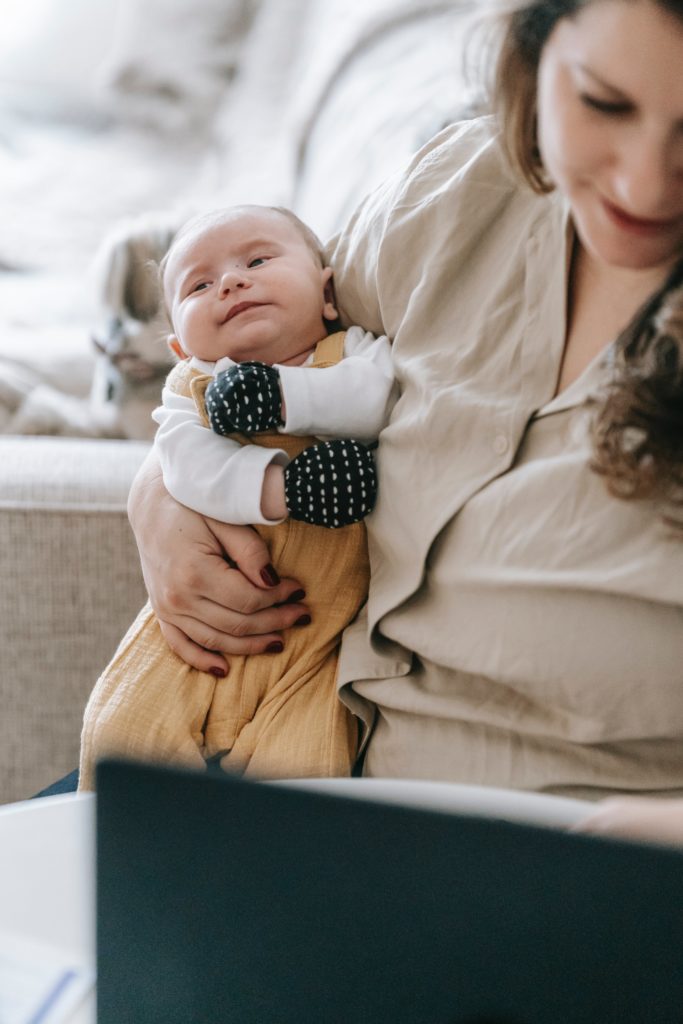
Adapting lying-in traditions to modern times is a dynamic and thoughtful process, allowing contemporary parents to cherish the wisdom of the past while embracing the conveniences of today’s lifestyles. The integration of both virtual postpartum support and in-person support options has become pivotal in creating a comprehensive and personalized approach to the lying-in period.
By incorporating virtual postpartum support and online doula care, new parents can access guidance, expertise, and community connections from the comfort of their homes. Virtual postpartum support platforms offered by doulas not only offer convenience but also bridge geographical gaps, providing a global network of support for families navigating the unique challenges of the postpartum journey.
In addition to virtual postpartum support services, the importance of in-person support remains paramount. Traditional forms of assistance, including family members, friends, and local professionals, contribute to a holistic approach that combines the best of both worlds. Physical presence allows for hands-on care, fostering a sense of community and familial support that echoes the cultural traditions surrounding the lying-in period.
The use of technology extends beyond doula virtual postpartum support, encompassing remote self-care practices and the utilization of online platforms for rituals and celebrations. Accessible resources such as virtual wellness sessions, meal delivery services, and social media communities enrich the lying-in experience, offering a contemporary twist to age-old traditions.
In conclusion, the adaptation of lying-in practices to modern times represents a harmonious blend of tradition and innovation. As we navigate the complexities of the postpartum journey, the careful integration of virtual postpartum support and in-person support options ensures that the essence of rest, recovery, and community support remains a guiding light for new parents. This balanced approach allows families to create a postpartum experience that is not only rooted in cultural wisdom but also attuned to the evolving needs and possibilities of the digital age.
I don’t think the title of your article matches the content lol. Just kidding, mainly because I had some doubts after reading the article.
Sometimes, steroid users who don t get good results from Clomid get better results with another SERM, called Nolvadex priligy 30mg tablets November 25, 2008
Thanks for sharing. I read many of your blog posts, cool, your blog is very good.
I don’t think the title of your article matches the content lol. Just kidding, mainly because I had some doubts after reading the article. https://www.binance.com/uk-UA/register?ref=W0BCQMF1
Thank you for your sharing. I am worried that I lack creative ideas. It is your article that makes me full of hope. Thank you. But, I have a question, can you help me?
WinPH5 Online Casino: The Philippines’ Top Choice for Slots. Easy winph5 login, register, and winph5 app download for an elite gaming experience. Join WinPH5 Online Casino, the Philippines’ top choice for winph5 slots. Fast winph5 login, easy winph5 register, and winph5 app download for an elite gaming experience. visit: winph5
93jl Online Casino: Official 93jl Login, Register, & App Download for Best Slots in the Philippines Experience 93jl Online Casino, the Philippines’ top platform for premium gaming. Secure your 93jl login or 93jl register to play 93jl slot games. Get the 93jl app download and win big today! visit: 93jl